by Khawaja Umair | Aug 11, 2026 | Blog
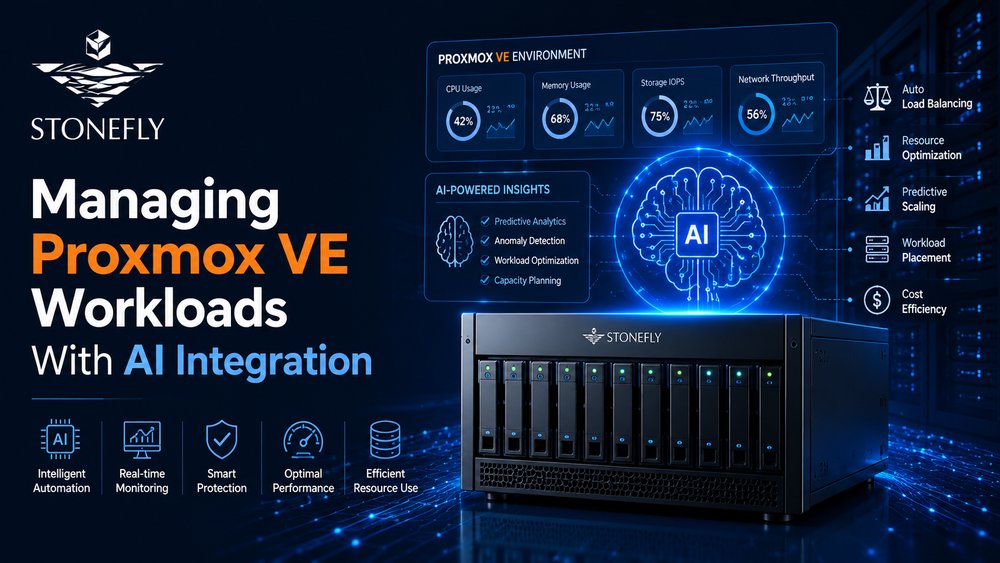
Contact REQUESTDEMO As more enterprises migrate VMware workloads to Proxmox VE, administrators who previously managed tens of VMs are suddenly responsible for hundreds across increasingly complex storage and networking topologies. The skills required to configure each...
by Khawaja Umair | Aug 3, 2026 | Blog
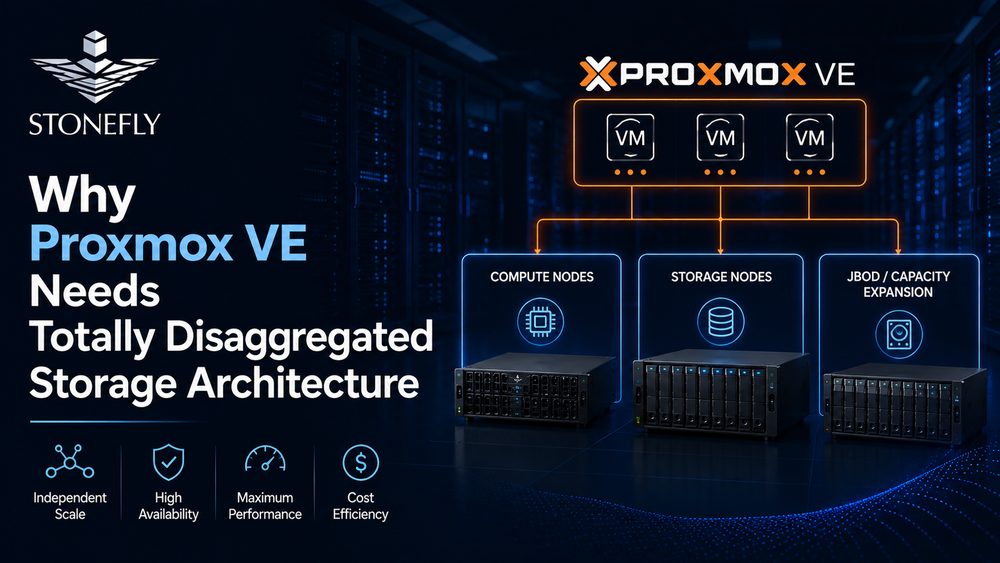
Contact REQUESTDEMO The hypervisor migration to Proxmox VE is the easy part. The storage architecture underneath it determines whether the environment scales on budget or stalls at the first capacity gap. Most IT teams treating Proxmox as a VMware replacement install...

by Khawaja Umair | Jul 29, 2026 | Blog
Contact REQUESTDEMO A retention gap is one of the worst ways to discover a storage system was undersized. An incident happens, someone requests footage from three weeks ago, and it turns out the array only holds two weeks of recordings because nobody recalculated...
by Khawaja Umair | Jul 28, 2026 | Blog
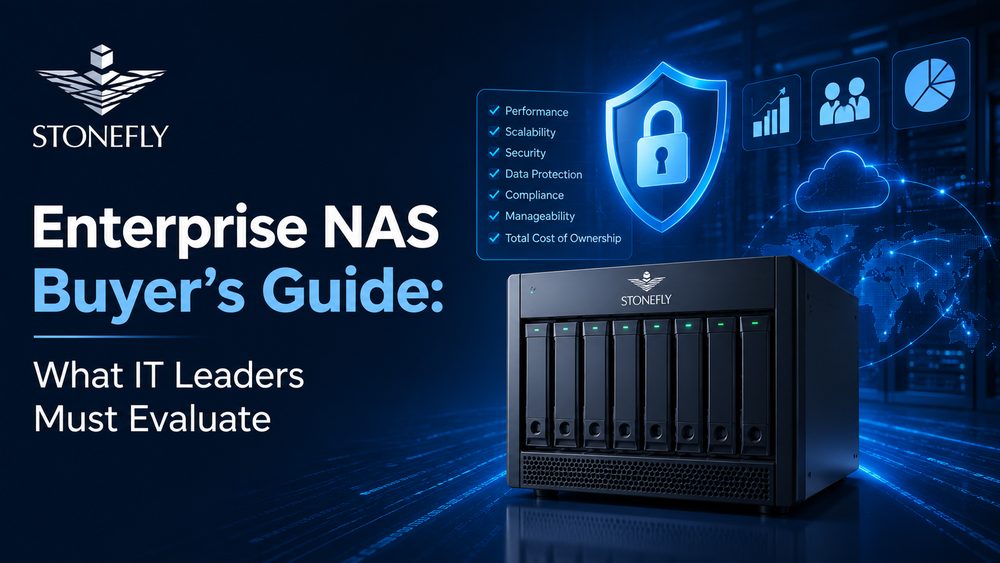
Contact REQUESTDEMO Buying enterprise NAS is not like buying a laptop refresh. Get it wrong, and the organization is stuck with the consequences for the next five to seven years, the typical lifespan IT teams plan around before a storage refresh cycle comes up again....
by Khawaja Umair | Jul 27, 2026 | Blog
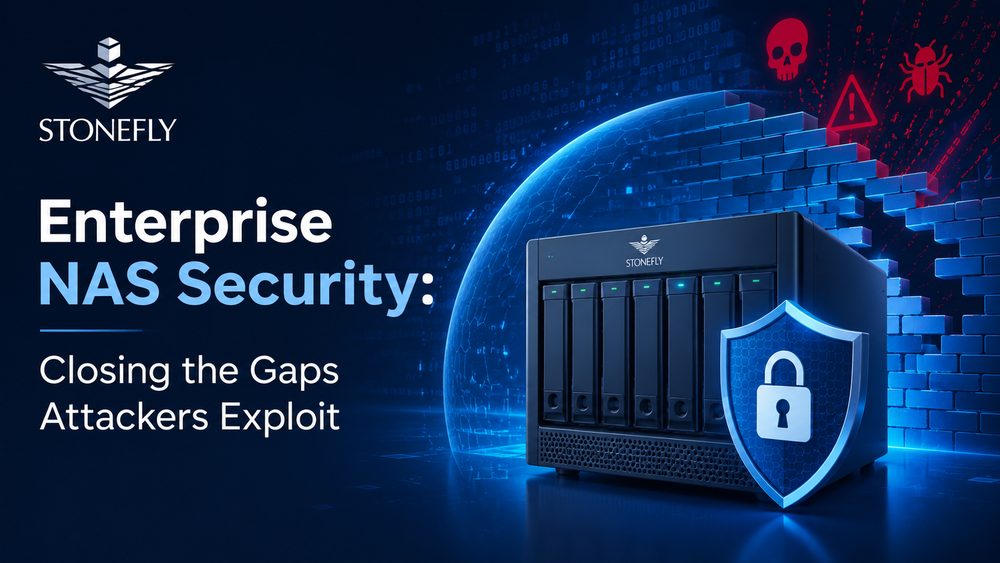
Contact REQUESTDEMO Ask an IT director how confident they are in their backup strategy, and most will say very confident. Ask the same question about NAS shares specifically, and the confidence drops fast. IBM’s 2025 Cost of a Data Breach Report puts the global...
by Khawaja Umair | Jul 7, 2026 | Blog
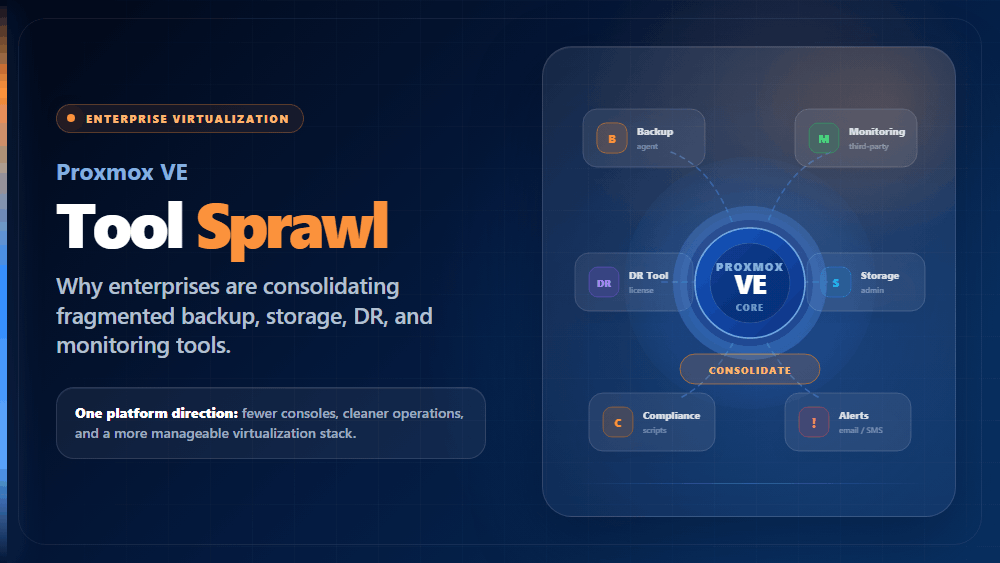
Contact REQUESTDEMO A single Proxmox VE cluster is easy to stand up. A production Proxmox VE environment that an enterprise can actually run on — one that survives a ransomware attack, meets a recovery point objective, and gets monitored the way finance and compliance...