
For enterprise IT decision-makers, reducing downtime isn’t just a technical task—it’s a critical business priority. As digital systems become deeply embedded across operations, any interruption to core infrastructure can disrupt revenue, hinder customer service, delay key deliverables, and damage stakeholder trust. That’s why disaster recovery is no longer a “nice to have”—it’s essential for maintaining business as usual.
Effective disaster recovery (DR) planning goes far beyond backups and secondary data centers. It demands the ability to quickly bring systems, applications, and data back online after an outage—whether caused by ransomware, natural events, equipment failure, or human error. This is where the cloud plays a powerful role, offering agility, automation, geographic flexibility, and scalability that are difficult to replicate with on-premises solutions alone.
Cloud-based disaster recovery has grown into several distinct service models:
– Infrastructure as a Service (IaaS) provides virtualized computing resources over the internet. For disaster recovery, this means rebuilding critical systems in the cloud using pre-configured templates, allowing faster failover and recovery timelines.
– Disaster Recovery as a Service (DRaaS) is a managed service model designed specifically for recovery scenarios. It includes automated orchestration, routine testing, real-time replication, and recovery playbooks—typically delivered by third-party providers like StoneFly—freeing internal teams to focus on other priorities.
– Cloud disaster recovery solutions is an umbrella term for tools and services that support replicating and restoring workloads in the cloud. These can be self-managed via IaaS platforms or outsourced through a DRaaS offering, depending on organizational needs and resources.
Having a clear understanding of cloud disaster recovery—and knowing how to implement it effectively—is key to minimizing both Recovery Time Objective (RTO) and Recovery Point Objective (RPO) during unexpected events. Whether your operations rely on platforms like Microsoft Azure or AWS, or you prefer a managed DRaaS provider for broader support, tying your disaster recovery strategy to your business continuity goals is essential.
In this blog, we’ll walk through practical steps for deploying IaaS-based disaster recovery, review best practices for cloud DR planning, and explore real-world case studies from enterprise environments. By the end, you’ll have a clearer roadmap for building a more resilient infrastructure—using a combination of cloud storage, backup, and recovery tools designed to keep your business running smoothly.
Disaster recovery is an essential part of any business continuity plan—especially for organizations managing large volumes of data and critical applications. Infrastructure as a Service (IaaS) plays a central role in modern disaster recovery strategies by providing scalable, cloud-based infrastructure that helps reduce downtime, prevent data loss, and ensure timely recovery from unexpected disruptions.
IaaS, or Infrastructure as a Service, is a cloud model where providers deliver virtualized computing resources—like virtual machines, storage, and networking—over the internet. IT teams can deploy, scale, and manage these environments on demand, without maintaining physical servers or data center infrastructure.
This model is particularly effective for disaster recovery. Instead of investing in a secondary physical data center, organizations can spin up IaaS-based recovery environments only when needed. Because IaaS is inherently flexible, resources can be dynamically allocated to meet varying levels of demand, whether it’s a localized IT failure or a larger regional outage. Recovery workloads can quickly shift to unaffected zones to keep operations running.
IaaS also supports automation and orchestration tools for disaster recovery. By integrating cloud-native services or third-party DR platforms, businesses can automate replication, failover, and failback processes. This approach streamlines recovery, reduces manual errors, and helps meet tight recovery objectives.
Opting for IaaS-based disaster recovery provides a number of clear benefits, including lower infrastructure costs, faster recovery, and greater flexibility.
Maintaining a dedicated secondary site with redundant infrastructure can put a strain on any IT budget. With IaaS, companies can avoid large upfront capital expenditures by paying for resources only when they’re in use. Recovery environments can stay dormant—and cost very little—until activated. In many cases, cloud providers offer tiered storage options that help further reduce costs for infrequently accessed backup data.
Routine maintenance, hardware replacement, and energy management are handled by the IaaS provider, shifting day-to-day infrastructure management off internal teams. This allows IT staff to focus on planning and improving recovery workflows rather than maintaining hardware.
In the event of a disaster that affects an entire region, businesses can use IaaS to failover into other geographic zones. Leading cloud providers have data centers spread across multiple regions and availability zones, which makes it easier to keep services online—even if one area goes down.
Cloud recovery solutions also support continuous data replication using technologies like journal-based backups. This ensures that the most recent data can be recovered quickly, with minimal loss—keeping systems synchronized and reducing disruption to daily operations.
IaaS disaster recovery is adaptable across many industries, offering features that meet the unique compliance, data protection, and operational needs of each sector.
Healthcare organizations are required to follow strict data retention and privacy rules, such as those outlined in HIPAA. IaaS helps meet these standards by enabling encrypted, geographically redundant storage and backup solutions for electronic health records (EHR) and other critical systems.
Through disaster recovery as a service (DRaaS), healthcare providers can replicate entire systems to secure, HIPAA-compliant cloud environments. In the event of a breach or outage, services can be restored quickly—without investing in a dedicated secondary site. Features like snapshot replication also provide quick rollback in case of ransomware or data corruption.
Financial institutions handle highly sensitive and time-critical data, and any service interruption can lead to compliance violations and loss of trust. IaaS-based disaster recovery allows financial teams to mirror transaction systems across regions, helping maintain continuity and meet regulatory requirements.
Using automation and policy-based replication, institutions can conduct regular failover testing and ensure disaster recovery plans are audit-ready. Many DR solutions also integrate with compliance frameworks like PCI-DSS and SOX, simplifying the process of meeting internal and external standards.
For manufacturing companies, especially those with smart factories or IoT-connected systems, any downtime can affect supply chains and delay deliveries. IaaS-based recovery solutions enable fast failover for ERP, SCADA, and other critical systems, keeping operations moving even when local systems are interrupted.
Manufacturers can also implement hybrid strategies with IaaS—replicating data from edge locations to the cloud. This approach offers redundancy across facilities and supports tiered recovery plans tailored to the importance of each workload.
Organizations are increasingly pursuing hybrid and multi-cloud strategies to boost flexibility and avoid locking into a single provider. IaaS fits naturally into these environments, enabling cross-cloud and hybrid disaster recovery setups that connect on-prem systems with public and private clouds.
IaaS disaster recovery can involve replicating snapshots or disk volumes between environments, setting automated triggers for failover, and using cloud-native monitoring tools to keep tabs on system health. Support for APIs and container orchestration tools like Kubernetes enables IT teams to create portable, scalable recovery environments that operate reliably across different platforms.
When deploying IaaS for disaster recovery, best practices like the 3-2-1 backup rule and routine test failovers should be part of the strategy. These steps ensure systems can be restored quickly, data remains available, and compliance requirements are met—even during unexpected events.
By incorporating IaaS into their recovery strategy, companies gain the flexibility and reliability needed to handle failures, cyber incidents, and other disruptions without missing a beat. It’s a practical path toward ensuring long-term resilience and business continuity.
As enterprise IT infrastructures continue to grow more complex and geographically dispersed, so do the challenges of keeping systems online and data secure during disruptions. Cloud Disaster Recovery (Cloud DR) provides a practical, efficient way to reduce downtime and data loss by replicating critical workloads to the cloud.
Unlike traditional disaster recovery, which often depends on on-premises hardware and lengthy restore processes, cloud DR takes advantage of the cloud’s flexibility and automation. Businesses aren’t tied to fixed infrastructure or a single location. Instead, they can rely on cloud-native platforms to handle backup, replication, failover, and failback — all with minimal manual input.
For organizations using Infrastructure as a Service (IaaS) to host key applications, cloud-based disaster recovery adds an extra layer of protection. It includes features like automatic orchestration of virtual machines, rollback for stateful applications, and real-time monitoring of recovery time and data protection objectives. Whether you’re moving away from legacy systems or expanding your current hybrid cloud setup, understanding these capabilities will help you make the right move.
Modern enterprises that adopt cloud-driven disaster recovery find it easier to stay resilient, manage costs, and maintain service continuity, especially when using DRaaS integrated with IaaS deployment.
Instead of investing heavily in hardware that may go unused, cloud DR is typically billed based on actual usage. During normal operation, costs include incremental backups and storage replication. If a disaster strikes, you’re billed for temporary virtual machines and compute resources as needed.
This approach eliminates the overhead of maintaining infrastructure for rare events and simplifies budget planning. It also supports businesses with changing demands, such as seasonal companies or those navigating mergers and acquisitions.
One of the strengths of cloud DR is its ability to replicate data and applications across multiple locations. By distributing workloads across regions or availability zones, businesses reduce the risk of disruptions caused by localized incidents or regional outages.
Many DRaaS platforms allow automated migration to different cloud regions in case of an outage. With continuous replication, health checks, and application-aware failover, systems can resume operation quickly — often without major intervention.
Some platforms also support maintaining operations in the cloud after failover, so there’s no immediate need to return to original systems. This is especially useful for businesses with zero downtime requirements or applications that handle high transaction volumes.
IT environments are no longer one-size-fits-all. Some workloads stay on private clouds due to regulatory needs, while others rely on public cloud services for scalability. For businesses using a combination of both, disaster recovery solutions need to be platform-agnostic.
Modern DRaaS offerings support a wide range of environments — from on-premise infrastructure to VMware-powered private clouds and global public clouds like AWS and Azure. These platforms can manage policies for retention, replication, and recovery regardless of where the data lives.
Hybrid strategies come with added benefits like regional failover, proximity-based recovery, and customizable orchestration policies. Whether you’re backing up bare-metal servers or scalable cloud services, DRaaS solutions offer central control for recovering everything from storage volumes to entire application stacks.
In industries where compliance is key — such as healthcare or finance — companies are using IaaS disaster recovery to meet data sovereignty requirements by automatically switching to cloud regions that meet regional data protection laws, all through easy-to-manage dashboards.
Disaster Recovery as a Service (DRaaS) is a cloud-based solution that allows businesses to replicate and host their physical or virtual servers in an offsite environment to maintain operations during outages, cyberattacks, or natural disasters. DRaaS provides a cost-effective alternative to traditional disaster recovery methods, which often rely on duplicate hardware, dedicated facilities, and significant investments in infrastructure.
In the past, disaster recovery meant setting up a secondary environment—either on-premises or in a colocation facility—to duplicate critical systems. This approach was often expensive and required considerable resources, making it impractical for many organizations. DRaaS addresses these challenges by using virtualization, cloud storage, and automation, eliminating the need for maintaining a full-scale backup environment.
With DRaaS, organizations can reduce Recovery Point Objectives (RPOs) and Recovery Time Objectives (RTOs) without the need to manage and maintain physical infrastructure. Service providers handle critical processes like storage replication, automated failover, and orchestration of disaster recovery plans, helping reduce downtime and data loss.
DRaaS also supports a wide variety of environments, including VMware, Hyper-V, physical servers, and hybrid clouds. This broad compatibility makes it a preferred choice for organizations moving toward cloud-first or hybrid IT strategies.
Both DRaaS and Infrastructure as a Service (IaaS) disaster recovery use the cloud to support business continuity, but they differ in control, complexity, and responsibility.
With IaaS disaster recovery, the organization is responsible for designing, configuring, and maintaining its recovery environment on the cloud platform. This includes installing software, managing data replication, setting up failover systems, and performing recovery drills. It gives IT teams full control but requires a strong in-house skill set and ongoing maintenance.
Designing an IaaS-based recovery solution often involves detailed planning—such as configuring virtual LANs (VLANs), developing cross-region backup strategies, and conducting manual failover tests. Organizations relying on IaaS typically use additional backup and replication tools to accelerate recovery and protect real-time data.
DRaaS, by contrast, offers a simplified experience. It is delivered as a managed or semi-managed service, with the provider handling much of the setup, monitoring, testing, and execution. This reduces the operational burden on internal IT teams and ensures disaster recovery processes are consistently tested and kept up to date.
When choosing between DRaaS and IaaS DR, factors such as technical expertise, compliance standards, desired RTOs/RPOs, and team bandwidth play a major role. DRaaS is a better fit for businesses seeking a ready-to-use recovery solution with low overhead. On the other hand, companies with established IT operations may prefer the control and flexibility of an IaaS setup.
Disaster recovery needs can vary greatly depending on infrastructure size, regulatory requirements, and IT resources. To meet these diverse needs, DRaaS providers offer several deployment models: fully managed, assisted, and self-service.
With fully managed DRaaS, the service provider handles every stage of disaster recovery—from initial planning and system replication to monitoring, testing, and failover execution. This hands-off model is ideal for businesses with limited internal resources or those seeking to simplify their disaster recovery strategy.
Thanks to regular testing, proactive monitoring, and automated recovery processes, fully managed DRaaS ensures readiness and helps meet regulatory requirements. It’s especially useful in highly regulated industries like finance, government, and healthcare, where compliance and uptime are critical.
In addition to operational simplicity, fully managed DRaaS typically offers predictable monthly costs, making budgeting easier and reducing the chances of unexpected disruptions.
Assisted DRaaS strikes a balance between provider support and customer control. While the DRaaS provider supplies the infrastructure and manages core elements, the customer retains control over specific components such as application-level testing and network setup.
This model works well for organizations with existing knowledge of disaster recovery but who still want assistance with implementation and infrastructure management. Assisted DRaaS is often chosen by mid-sized businesses shifting from traditional DR models to more modern, cloud-based approaches.
In a self-service DRaaS setup, the business takes full ownership of its disaster recovery strategy—including configuration, replication policies, testing, and recovery operations. The provider delivers a platform and the necessary tools, but day-to-day management is handled entirely by the customer.
This approach is best suited for companies with strong in-house IT capabilities and a deep understanding of disaster recovery planning. Teams that are already familiar with IaaS environments often choose this model for greater agility and customization, along with reduced reliance on the vendor.
While offering the most control, self-service DRaaS also requires more time, effort, and expertise to ensure consistent performance and compliance.
When deciding which DRaaS deployment model to adopt, organizations should evaluate several key factors: infrastructure complexity, data sensitivity, compliance obligations, and the expertise of their internal teams. Industry requirements and service uptime expectations should also play a role in this decision.
Fully managed DRaaS is ideal for businesses needing a hands-off solution that’s always up to date and aligned with best practices. Assisted and self-service options are better for organizations that want more control and have the technical resources to manage parts—or all—of the process.
Choosing the right model is about matching your disaster recovery strategy with your IT capabilities and business continuity goals. The right fit delivers not just fast system recovery, but lasting resilience as your business evolves.
Creating an effective cloud backup and disaster recovery (DR) plan within an Infrastructure as a Service (IaaS) environment requires careful attention to several core elements. Together, they help maintain data availability during unexpected outages and support smooth business continuity. From setting backup schedules to replicating workloads across regions, every part of the plan plays a vital role in minimizing downtime and data loss.
Reliable cloud backup starts with defining how often data is backed up, how long it’s kept, and how versions are managed. These factors impact recovery point objectives (RPOs), cost, and service-level agreements (SLAs). Not all systems require the same level of protection—organizations should determine which applications need frequent, incremental backups (such as databases and transactional systems), and which can be supported with less frequent, bulk storage backups.
Backup frequency depends on how critical the data is. For high-priority systems, like financial applications, backups might need to happen every few minutes using continuous data protection (CDP). Other, less sensitive data may only need daily or weekly snapshots. Versioning is particularly important for ransomware recovery, allowing organizations to restore from a backup made before the attack occurred.
Retention settings should reflect both internal policies and industry regulations. For example, financial data may need to be kept for seven years to comply with SOX, while healthcare data typically follows HIPAA’s six-year retention rule. Automating these retention schedules helps reduce storage costs and eliminates the risk of human error.
Integration with existing on-prem or cloud workloads is another key factor. Solutions like StoneFly’s IaaS backup offering include automated snapshot scheduling and support for application-aware backups—ensuring consistency across platforms such as SQL Server or Oracle. This level of compatibility improves recovery accuracy and speeds up restoration during outages.
Backup systems should be designed with the same level of attention as production workloads—built for resilience, performance, and high availability.
Backups protect long-term data, but replication ensures fast recovery by continuously syncing live workloads to a secondary location. Understanding when to use real-time replication versus scheduled backups helps organizations strike the right balance between recovery speed and cost.
Real-time replication, often done at the block level, keeps a near-exact copy of the active system. This is essential for workloads with very low RPO requirements, such as ERP platforms or customer databases in finance or healthcare—where losing even a small amount of data can have serious consequences.
On the other hand, scheduled backups are better suited for systems with higher RPO tolerance. They’re more budget-friendly but come with longer recovery windows and risk greater data loss if a failure occurs between backup intervals. Backup timing—whether it’s hourly, daily, or weekly—should match how important the system is and how much data loss is acceptable.
Failover planning is equally important. DRaaS platforms can streamline this by automating the entire recovery process. StoneFly’s DR365V support policy-driven failover by following predefined sequences—starting with core services like Active Directory and DNS, and then moving on to key applications and user-facing systems.
Three factors influence how quickly and accurately a failover can take place:
Many organizations overlook disaster recovery testing—but doing so regularly (at least quarterly) helps uncover potential issues like misconfigurations, software mismatches, or network bottlenecks, all without impacting production.
Security and compliance must be built into every part of the DR strategy. This starts with encrypting data at all stages—both while it’s stored and while it’s being transmitted. Enterprise-grade backup systems use standards like AES-256 encryption and secure networking protocols (SSL/TLS) to protect data on the move.
VPN tunnels and IPsec can create secure connections within hybrid environments, preventing unauthorized access. In multi-tenant IaaS environments, careful firewall management and network segmentation help protect against lateral movement and intrusion during replication or failover.
For organizations regulated by frameworks like HIPAA, GDPR, CJIS, or FedRAMP, compliance should be verifiable. Features such as immutable backups, RBAC (role-based access control), and detailed audit logs help ensure that recovery processes remain secure and meet governance requirements.
Limiting IaaS DR to a single cloud region or provider can introduce vulnerability. Multi-zone and multi-cloud strategies offer an effective way to reduce risk and eliminate single points of failure. For high-availability applications, replicating across geographically separate zones—or even across different cloud providers—can provide an extra layer of protection.
For example, organizations running workloads in the AWS US-East region can replicate them to Azure in West Europe or to a secondary on-premises site using StoneFly’s replication tools. Intelligent routing with DNS failover and global load balancing helps keep services online even when one region or provider goes down.
Additionally, containerization and infrastructure-as-code (IaC) allow businesses to redeploy DR infrastructure in alternate locations with minimal effort. This approach is especially helpful when compliance requires data to remain within certain jurisdictions, or when low latency is a priority (as with edge computing use cases).
A well-rounded IaaS disaster recovery plan brings together backup, replication, failover automation, network configuration, and compliance enforcement. With StoneFly’s cloud backup and DR solutions, businesses can confidently design or upgrade their disaster recovery environment to meet modern demands—no matter the industry or infrastructure complexity.
Establishing a reliable disaster recovery (DR) setup for your Infrastructure-as-a-Service (IaaS) environment involves more than just offloading backups to the cloud. For enterprise IT teams, the goal is a secure, scalable solution that supports business continuity and protects critical data with minimal disruption. This guide walks through four essential phases to help organizations develop a cloud-first DR strategy aligned with operational goals and regulatory requirements.
A strong IaaS disaster recovery strategy starts with a clear understanding of how various types of outages could affect business operations. This includes assessing potential risks, estimating financial and operational impact, and outlining recovery goals.
Two key benchmarks in disaster recovery planning are Recovery Time Objective (RTO) and Recovery Point Objective (RPO). RTO defines how quickly a system must be restored to minimize business disruption, while RPO focuses on how much data loss the organization can tolerate, measured in time.
For example, an RPO of 4 hours allows for up to four hours of data loss. Critical systems like ERP platforms, e-commerce databases, or production control systems usually require tighter RTO/RPO values. Non-essential applications—like internal training systems—may permit longer recovery windows.
Matching workloads to the right service level agreements (SLAs) based on these metrics ensures the DR strategy is both cost-effective and aligned with business priorities.
Conducting a business impact analysis (BIA) allows IT leaders to categorize workloads by their importance to operations, revenue, customer engagement, and compliance. This analysis should include input from multiple departments—such as finance, legal, security, and operations—to get a holistic view of what systems are most essential.
These risk-based rankings determine how resources will be allocated, how frequently data is replicated, and how much redundancy each workload requires. Creating defined risk tiers also helps prevent unnecessary spending on workloads that don’t need premium protection.
Your disaster recovery goals won’t be met without the appropriate cloud foundation. Choosing the right cloud provider and designing an architecture that meets your compliance, failover, and security needs are critical steps in building effective resiliency.
Many public cloud providers—including AWS, Microsoft Azure, and Google Cloud—offer reliability and global reach. However, they may present challenges around data locality, integration with legacy systems, or compliance constraints. In contrast, private cloud environments offer more control, making them a better fit for industries like healthcare, banking, and manufacturing.
Key features to look for include:
StoneFly offers end-to-end cloud DR solutions for both on-premises and cloud-native workloads. With support for encrypted storage, policy-based automation, and tools integrated with Veeam, businesses can confidently protect critical data across environments.
Your architecture should account for customized network policies, DNS redirection plans, and tested failover/failback workflows. It should also meet compliance standards relevant to your industry—such as HIPAA, GDPR, or FedRAMP—while delivering performance capabilities like low latency and secure connectivity.
For performance-sensitive environments, consider dedicated links such as AWS Direct Connect or Microsoft Azure ExpressRoute, which provide consistent network speeds without relying on public internet connections.
After choosing a cloud platform and DR architecture, focus on automation to ensure that recovery can happen quickly and accurately—especially in high-stress scenarios.
Begin by provisioning necessary resources in your cloud environment: virtual machines, storage volumes, networking components, and routing policies. Data replication can be configured using scheduled snapshots, near-real-time replication, or agent-based transfers—depending on your RPO targets.
Rather than relying on manual steps, automate backup and policy execution. StoneFly’s DR services include automation tools for scheduling backups, replicating across multiple sites, and maintaining incremental synchronization to reduce both storage overhead and recovery times.
Advanced setups can also include versioned snapshots, giving IT teams multiple recovery points and increased protection against ransomware.
Orchestration platforms help streamline complex DR scenarios by scripting the recovery of entire applications or infrastructure stacks. Tools like Veeam Orchestrator, VMware Site Recovery Manager, or Azure Site Recovery allow IT admins to control:
– Application boot order
– Network reconfiguration, including IP reassignment and NAT rules
– DNS failover workflows
– Conditional logic for different disaster scenarios
Automated workflows minimize the risk of errors and help maintain DR readiness across the organization. These runbooks are consistent, reliable, and easy to test—even when team members change.
Orchestration tools also support smooth failback processes. When systems return to their original production environment, orchestration can handle delta synchronization, policy reapplication, and network rerouting automatically.
Even the best DR setup needs to be tested regularly. Backups alone don’t guarantee service continuity. Without real testing, there’s no way to know if critical systems can be recovered fully and quickly when they’re needed most.
Perform disaster recovery testing at least once a quarter. Each drill should reflect a different failure scenario—from minor corruption to total data center outages. Use these tests to ensure:
These simulations confirm whether your stated RTOs and RPOs can actually be met. For example, if it takes longer than expected to recover a workload tied to your ERP system, it may indicate the need to adjust provisioning or orchestration policies.
Failback is often overlooked—but just as critical as failover. Businesses must test this process to make sure restored systems can be safely moved back to the production environment without losing data or misconfiguring applications.
Essential failback steps include:
Including regular failback testing in your DR strategy helps catch misconfigurations early and ensures that workflows are consistent from end to end.
Building a secure and scalable IaaS disaster recovery strategy isn’t a one-time project—it’s an ongoing process. From conducting a thorough business assessment to continuously testing failover workflows, each phase plays a key role in protecting data, meeting compliance requirements, and minimizing downtime.
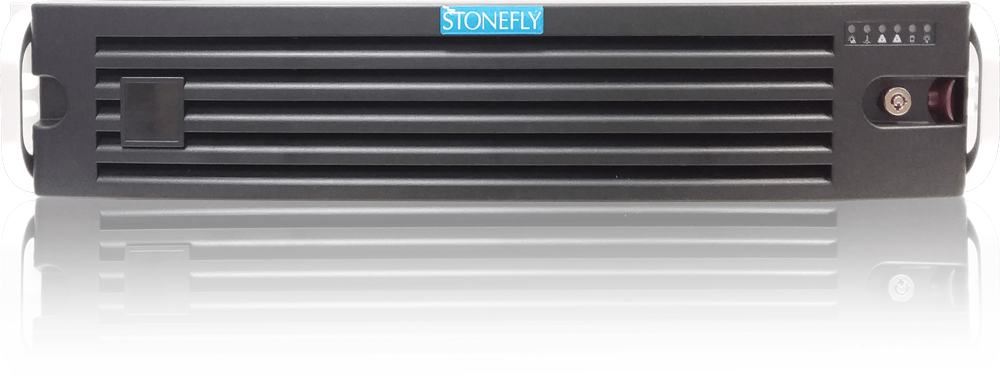
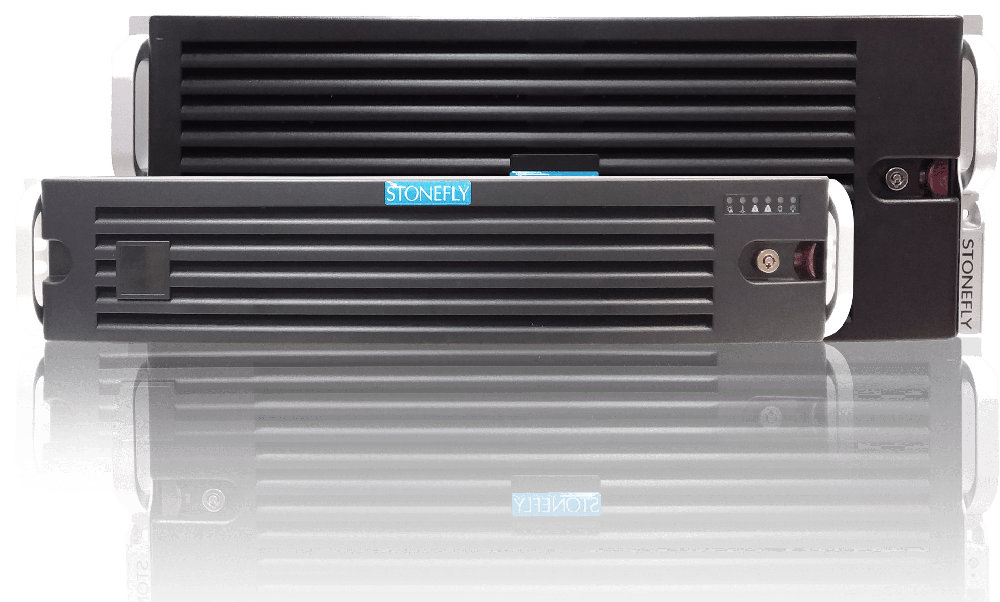
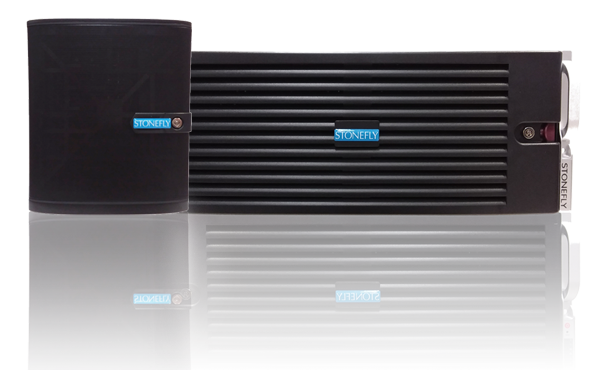
Solutions such as StoneFly DR365V and DR365U provide integrated DRaaS features with automation, orchestration, and advanced replication tools—helping enterprises recover quickly while staying aligned with business goals and SLA requirements.
A strong foundation, driven by a combination of the right technology and disciplined operational planning, is what enables real confidence when it matters most.
Disaster recovery in the cloud is no longer just a contingency—it’s a core component of enterprise IT strategy. As hybrid and multi-cloud deployments become more common, it’s essential for organizations to implement reliable disaster recovery (DR) standards that protect data, control costs, and meet regulatory requirements. Whether you’re using infrastructure as a service (IaaS) for DR or relying on disaster recovery as a service (DRaaS), aligning your strategy with operational changes ensures reliable recovery when it matters most.
Testing a disaster recovery plan isn’t something you do once and forget—it should be part of your ongoing routine. Scheduled testing confirms that your systems, data, and applications can be recovered as expected. Without consistent testing, recovery time objectives (RTOs) and recovery point objectives (RPOs) are based on assumptions, which can lead to costly issues during real incidents.
Conduct DR tests monthly or quarterly, and make them as close to real-world scenarios as possible—this includes full failovers, network outages, and isolated service disruptions. Each test should validate IaaS backup capabilities, application recovery processes, and network failover paths. Avoid generic test plans; instead, create test cases tailored to your current IT environment, workloads, and compliance standards.
Track performance metrics during these tests. Measure failover duration, data access speed, and application startup times to create benchmarks. These help determine if your setup can meet internal SLAs. Keep a detailed record of each test, outlining any bottlenecks and the changes made to address them. While automation from DRaaS vendors can simplify test execution, manual review is still necessary when dealing with complex systems.
IT environments evolve fast. New services are added, applications shift roles, and compliance requirements are updated. A static disaster recovery plan quickly becomes outdated. To stay protected, your DR strategy must adapt alongside these changes.
Integrating change management with your DR planning process ensures updates are accounted for. Each time a new virtual machine is deployed, your system should automatically check if it needs to be included in the disaster recovery plan. Similarly, if an internal tool becomes critical to customer service, its priority in your recovery process should be adjusted.
Use infrastructure-as-code (IaC) to manage and quickly modify DR configurations. IaC allows you to track changes and align production updates with your DR environment. Regular audits should confirm that your recovery setup mirrors production—including virtual machine specs, storage configurations, network settings, and security policies.
Many DRaaS platforms provide APIs that integrate with your CI/CD pipeline. These can automatically update DR settings as your environments change, reducing the risk of coverage gaps. Keeping both production and recovery systems aligned strengthens your ability to recover quickly—especially when time is limited.
Maintaining high availability doesn’t have to come with a high price tag. The key is to match storage performance levels to the importance of your data. Not every backup needs to live in expensive, high-speed storage.
Begin by classifying data based on how quickly it needs to be recovered. High-priority systems—such as those essential for customer transactions—should use hot storage for fast access. Less critical systems or archival backups can be stored in lower-cost options like cold or archive storage. Most cloud backup solutions support policies that automatically move files between storage tiers based on usage and age.
On-demand resource activation further reduces costs. Leading DRaaS providers allow you to keep infrastructure deactivated until needed. This model maintains backup data in low-cost storage but spins up compute resources only during failover or test events. It avoids the expense of running idle resources year-round.
When reviewing DRaaS options, look for platforms that support flexible recovery triggers, live migration, and compatibility with your current backup formats. Some solutions allow you to pre-load recovery environments into a “warm” state—offering a balance between speed and cost.
Security is just as important during disaster recovery operations as it is in day-to-day production. Emergencies can expose vulnerabilities—especially when systems run with elevated access levels—so your DR environment must be just as locked down as the rest of your infrastructure.
Implement strict role-based access control (RBAC) across your DR systems. Only designated personnel should be allowed to trigger recovery actions. For example, engineers responsible for infrastructure can perform failovers, while security teams or auditors are granted limited, read-only access.
Encryption is another non-negotiable. Make sure backup data is encrypted both at rest and in transit. Use AES-256 or stronger algorithms and enforce TLS standards for all transfers. Manage encryption keys securely through a cloud-native key management service (KMS) or a hardware security module (HSM).
Visibility is also critical. Monitor DR workflows through centralized logging platforms, ideally integrated with your organization’s security information and event management (SIEM) system. These logs should capture backup, restore, migration, and access events in real time. Alerts for unusual activity—such as repeated unauthorized test initiations or unexpected data movements—can help detect threats early.
Security should be part of your DR testing too. Run simulations that test how your policies hold up under attempted attacks, such as credential misuse or recovery efforts from compromised nodes. These exercises strengthen incident response plans and help expose potential blind spots before bad actors do.
Not all DRaaS platforms offer the same level of functionality or performance. While most include essentials like virtual machine replication, snapshots, and file-level recovery, enterprise-grade solutions stand out by offering advanced features in performance, compliance support, cost management, and seamless integration.
Assess the provider’s ability to meet your recovery time objectives (RTOs) and recovery point objectives (RPOs). Organizations in critical sectors like healthcare, finance, and manufacturing often require rapid recovery—sometimes within minutes. The provider’s infrastructure, including storage backend, network bandwidth, low-latency replication, and the ability to quickly scale compute resources during a failover, all influence recovery speed and consistency.
Choose a solution that aligns with your compliance requirements, whether they relate to HIPAA, FINRA, GDPR, FedRAMP, or ITAR. Confirm that encryption is applied in transit and at rest, and check for detailed documentation on audit logging, immutability, and access control. Compliance should be built into the platform—not added as an afterthought.
Instead of focusing solely on entry-level pricing, look at the total cost of ownership (TCO), which includes data egress charges, long-term retention costs, API usage, and the expenses tied to failover testing and scale-out scenarios. Providers with clear pricing structures and flexible models help you avoid surprise costs as your needs evolve.
Your chosen DRaaS solution should offer wide compatibility—supporting mixed environments that include physical servers, different hypervisors (like VMware or Hyper-V), and public clouds such as AWS and Azure. If your infrastructure utilizes containers and microservices, make sure Kubernetes environments can be backed up and restored seamlessly.
An effective disaster recovery solution should integrate smoothly with your current infrastructure. Look for platforms that support popular identity management tools, automation frameworks, APIs, and CI/CD pipelines. This ensures that your backup and recovery operations can be automated and incorporated into your regular IT workflows.
Beyond feature checklists, it’s important to look at how a provider operates and supports its customers, especially during high-pressure disaster scenarios. Ask targeted questions to uncover the platform’s reliability, resilience, and service quality.
A reliable disaster recovery provider builds its services on redundant infrastructure, with failover capabilities across multiple geographic regions. Ask about data replication processes, failover automation, and availability zone architecture. Look for safeguards like physical separation between facilities, network isolation, and independent power systems.
Understanding where your data lives is more important than ever. This impacts both regulatory compliance and business risk. Can the provider guarantee geographic control of data storage—useful for meeting GDPR requirements or handling export-controlled files? Ask for region-specific replication options and proof of relevant certifications.
It’s easy to promise 24/7 support—but what does that actually include? Push for clear service agreements that define response times for high-severity incidents (such as 15-minute response for critical issues) and outline escalation procedures. Know whether you’re interacting with certified support engineers or outsourced help desks. Onboarding assistance and scheduled failover test support should also be part of the service level agreement (SLA).
As Infrastructure-as-a-Service (IaaS) and cloud disaster recovery (CDR) continue to advance, businesses are rethinking the way they protect uptime and maintain data access. Traditional methods—like backups to disk or tape—are proving inadequate for modern needs. Organizations are turning to newer technologies, including automation powered by artificial intelligence, container orchestration, and DevOps integration, to strengthen their disaster recovery strategies. Keeping pace with these changes helps IT teams stay agile and prepared.
Artificial intelligence (AI) and machine learning (ML) are becoming essential tools in disaster recovery. They go beyond scheduled backups and reactive recovery methods, enabling proactive monitoring and early detection of potential problems.
With AI-driven monitoring, IaaS disaster recovery environments can track system behavior in real time, identify irregularities in resource consumption, and trigger automatic failovers when needed. These capabilities help reduce both recovery time (RTO) and time to resume normal operations (MTTR), two key metrics in maintaining operational continuity.
StoneFly’s cloud disaster recovery solutions incorporate intelligent automation, allowing teams to set service level objectives (SLOs) and create policy-based rules to handle replication, failover, and resource scaling automatically. Reducing the need for manual intervention also helps prevent common user errors that often compromise recovery efforts.
Over time, machine learning can identify underutilized resources in your infrastructure, helping to control costs without sacrificing performance. It also supports compliance efforts with clear visibility into backup success rates, data retention policies, and immutable storage—cutting down on the time and resources needed for audits.
Disaster recovery used to be the sole responsibility of infrastructure teams. That’s changing. Today, many organizations are incorporating disaster recovery into their DevOps workflows, treating it as an ongoing part of application development and delivery.
By implementing Disaster Recovery as Code (DRaaC), teams can version, test, and deploy their recovery configurations just like any other software code. Using RESTful APIs—like those provided by StoneFly—DevOps teams can automate snapshots, replication schedules, and policy updates across tools like Jenkins, GitLab CI/CD, or Ansible.
This approach speeds up application deployment while maintaining protection against outages. For organizations using Kubernetes in production, integrating disaster recovery into the CI/CD pipeline ensures consistent app performance and data integrity during rollouts or failovers.
Embedding recovery workflows into DevOps also supports regulatory compliance by generating reliable recovery documentation—especially valuable for sectors like healthcare, finance, and utilities, where detailed reporting is a requirement.
The growing shift toward containerized applications has drastically changed disaster recovery architecture. Unlike traditional virtual machine-based strategies, containers—typically orchestrated by Kubernetes—require more precise and portable recovery methods.
With Kubernetes-native disaster recovery, teams can capture and back up configuration data, volumes, and namespaces at a granular level. Tools like Velero and Kasten K10 allow ongoing replication of persistent volumes, helping maintain application state if an outage occurs.
Disaster recovery solutions that support container-based workloads—like StoneFly’s DRaaS—ensure consistent recovery across both public and private clouds. Using snapshot replication, entire Kubernetes clusters can be backed up into S3-compatible repositories without tying your infrastructure to a single cloud provider.
Features like multicluster recovery and automated provisioning make Kubernetes-based recovery much more flexible than traditional DR models. For businesses where updates are frequent and downtime leads to revenue loss, this scalability is a game changer.
Many companies are working to eliminate downtime entirely—even during planned updates or infrastructure changes. Meeting this goal means shifting from reactive recovery to proactive, always-on availability.
Rather than waiting for failure, organizations are embedding continuous replication and real-time availability into every aspect of system design. During large-scale transitions, such as SAP migrations or hybrid cloud upgrades, using synchronous mirroring can ensure minimal downtime and uninterrupted operations.
A comprehensive zero-downtime recovery strategy includes:
StoneFly’s hybrid cloud recovery architecture makes this possible across a range of environments—including VMware, Hyper-V, and physical systems. Recovery becomes a core part of the infrastructure, not an add-on.
This approach gives CIOs and IT leaders the confidence to pursue digital transformation projects—like ERP migrations or the adoption of cloud-native services—without exposing the business to downtime or data loss.
Integrating Infrastructure as a Service (IaaS) disaster recovery into your IT infrastructure is essential for keeping systems available, protecting critical data, and ensuring business continuity. With cyber threats, natural disasters, and hardware failures becoming more common and complex, businesses need reliable and scalable solutions that can respond quickly and operate cost-effectively. IaaS disaster recovery offers these benefits by combining flexible cloud resources with well-defined recovery processes that minimize downtime and protect data consistency.
Cloud-based disaster recovery makes it possible to set up and maintain a robust DR environment without the high costs of secondary on-premises data centers. Instead of duplicating infrastructure, businesses can use cloud resources that scale as needed. When implemented properly, this approach can reduce Recovery Time Objectives (RTOs) and Recovery Point Objectives (RPOs), helping ensure systems and data are restored in a matter of minutes or hours—not days.
With Disaster Recovery as a Service (DRaaS), organizations can avoid investing in and maintaining idle infrastructure. It also enables businesses to focus on restoring the most critical workloads first, thanks to built-in automation and orchestration tools that make failover and recovery faster and more consistent. Managed DR services further ease the burden on in-house teams while ensuring compliance and recovery reliability through regular testing and system validation.



Join our mailing list to receive the latest news, updates, and promotions from StoneFly.