
Enterprise IT infrastructure has changed significantly over the past decade, driven by rapid data growth, the adoption of multi-cloud environments, and more complex application workloads. Traditional monolithic data centers are being replaced with flexible, distributed, and hybrid models that can better support modern business operations. These changes reflect the growing need for systems that are scalable, resilient, and responsive—without compromising performance or availability.
Organizations today are not only managing larger volumes of data but are also facing stricter requirements for uptime, disaster recovery, and accessibility across global teams and systems. Even brief interruptions in service can lead to lost revenue, decreased customer trust, and long-term reputational impact. It’s clear that outdated storage and infrastructure models can no longer keep up with the demands of today’s digital operations.
To address these challenges, many organizations are turning to Hybrid Data Architecture. This approach combines on-premises systems with public and private cloud platforms, giving businesses the ability to maintain control over critical workloads while taking advantage of the cloud’s flexibility. A well-executed hybrid strategy helps balance performance, cost-efficiency, and compliance—while staying agile as business needs evolve.
Key components driving this modern approach include:
– High availability storage, which reduces the risk of downtime and ensures operations can continue without disruption. Redundant infrastructure and built-in failover options play a critical role in delivering consistent service levels.
– Hybrid cloud storage, which provides seamless data management across local and cloud environments. It supports tiered storage, long-term archiving, and cloud-based expansion, giving businesses room to scale without overprovisioning.
– Disaster recovery planning, which has shifted from a consideration to a necessity. Today’s environments must support real-time replication, automated failover, and fast recovery to guard against data loss from cyberattacks, disasters, or hardware failures.
– Enterprise NAS solutions, which enable secure and efficient file sharing across departments and locations. With features like cross-site replication and synchronization, organizations can guarantee reliable access to critical files wherever they’re needed.
As data infrastructures become more distributed and tailored to specific workloads, IT architectures must adapt to support hybrid deployments, dependable backup and recovery, and integration with cloud-native services. Infrastructure decisions are no longer limited to the IT department—they’re deeply connected to broader business goals.
In the sections that follow, we’ll look more closely at how StoneFly’s enterprise-grade storage, backup and disaster recovery solutions can help your organization create a resilient, flexible IT foundation that meets today’s challenges and prepares for what’s ahead.
With digital transformation reshaping business operations, organizations are reevaluating how they store, manage, and access data. Traditional on-premises storage alone can’t keep up with the growing scale and complexity of enterprise workloads. Yet, a cloud-only strategy isn’t always feasible due to regulatory requirements, performance needs, or budget constraints. A Hybrid Data Architecture bridges these gaps, offering the flexibility and resilience required for today’s IT landscapes.
Hybrid Data Architecture is a strategic approach that connects on-prem hardware, cloud platforms, and edge systems into a unified framework. This model ensures smoother data movement, centralized governance, efficient storage tiering, and seamless workload orchestration across diverse environments. For many organizations, hybrid infrastructure is no longer a choice—it’s an essential component of IT planning.
The architecture typically relies on three core elements:
1. On-Premises Infrastructure – These environments include either legacy systems or updated setups with enterprise-grade NAS storage and compute clusters. They are ideal for critical workloads that demand low latency and controlled security.
2. Cloud Platforms – Public cloud providers like Microsoft Azure and AWS, as well as private cloud setups hosted in corporate datacenters, serve as elastic, scalable extensions of existing infrastructure. Cloud-integrated storage supports capacity expansion, long-term archiving, and dynamic workload allocation.
3. Edge Deployments – In industries such as manufacturing, energy, and retail, edge infrastructure is placed close to where data is generated. These setups are useful for processing time-sensitive data locally or meeting jurisdictional requirements that limit cloud usage.
With data and applications operating in multiple locations, Hybrid Data Architecture supports high availability, fault tolerance, and reliable disaster recovery. Tools for data replication and failover help reduce downtime and keep critical services running smoothly.
Adopting a hybrid approach brings a range of operational and business benefits.
One of the most significant advantages is flexibility. Organizations have greater control over where each workload or dataset lives. Cold data can be moved to economical cloud object storage, while active datasets stay on high-speed NAS systems to maintain application performance.
There’s also a clear cost benefit. By distributing workloads intelligently, companies can reduce over-provisioning and improve resource utilization. Technologies like storage virtualization, automated tiering, and deduplication help cut storage costs while maximizing value.
Optimizing workloads becomes more manageable. Latency-sensitive applications—such as VDI environments, multi-user databases, and streaming analytics—can be deployed closer to users or data sources through edge computing. Meanwhile, tasks like backups and archival jobs can be handled off-site using cloud targets.
Compliance and regulation are also made easier. Data residency rules—whether GDPR, HIPAA, or regional mandates—can be addressed by choosing where to store or mirror data. Enterprises use policies and cloud gateways to automate data movement without sacrificing security or compliance obligations.
Organizations across various sectors are using Hybrid Data Architectures to streamline operations and support digital growth.
In healthcare, hospitals keep sensitive patient information on secure on-prem systems while using cloud services for analytics and data archiving. NAS replication and cloud snapshots provide redundancy and support recovery efforts.
Financial institutions leverage the speed of on-prem infrastructure for trading applications, while shifting reporting tasks and backup data to encrypted cloud storage to meet regulatory demands and recovery goals.
Retailers rely on edge systems in physical locations to gather and process point-of-sale and IoT data. This information is then sent to centralized systems for analysis and reporting, before being archived in the cloud for inventory and performance planning.
In the energy and manufacturing sectors, hybrid architectures are used to maintain operations even at remote or disconnected sites. Automated data replication and disaster recovery workflows—including hot-site failover—support both immediate recovery needs and long-term continuity targets.
Whether it’s enabling distributed collaboration through NAS replication, maintaining uptime with high availability storage, or automating tiered backups to the cloud, hybrid environments offer the scale and control enterprises depend on.
Hybrid Data Architecture gives organizations the ability to evolve their storage and data management strategies without compromising performance, security, or compliance. It provides a consistent approach to support application demands, meet diverse operational requirements, and ensure business continuity—no matter where the data lives.
In enterprise IT, data availability isn’t optional—it’s essential. High availability storage refers to storage systems built to maintain continuous access to data, minimize service interruptions, and withstand hardware, software, or network issues. Whether powering e-commerce operations handling thousands of transactions per second or supporting real-time data in healthcare systems, these infrastructures are critical for keeping businesses running smoothly.
Organizations relying on hybrid environments—blending on-premises NAS storage with cloud-integrated solutions—depend heavily on resilient storage systems. High availability solutions provide these environments with built-in redundancy, failover capabilities, clustering, and integrated backup and recovery functions to safeguard data and uphold service continuity.
High availability storage is designed to keep applications and data services running, even when systems fail. It relies on redundancy strategies like active/passive failover, where standby components automatically take over during a failure, and failback functionality to return to the original environment once issues are resolved.
Clustering plays a major role by allowing workloads to operate across multiple physical systems. In hybrid and geographically distributed environments, clustering becomes even more valuable, ensuring users can access data reliably no matter where it’s stored.
Technologies such as RAID (Redundant Array of Independent Disks) further strengthen availability. RAID 6 and RAID 10 configurations are commonly used in enterprise NAS and hybrid setups to improve both performance and fault tolerance by distributing data across multiple drives.
Together, these features help ensure that storage systems stay available even if part of the infrastructure malfunctions. As a result, business-critical functions continue without data loss or major disruptions.
While they may sound similar, high availability and fault tolerance serve distinct purposes. High availability focuses on reducing downtime through quick recovery, using replication and smart data routing. A short interruption is acceptable if it leads to long-term reliability and consistent performance. This approach is well-suited for most enterprise workloads, including backup and recovery processes, NAS replication, and hybrid cloud environments.
Fault-tolerant systems, on the other hand, are engineered to eliminate all downtime. They provide immediate failover without losing any data or access, making them essential for environments where even brief pauses are unacceptable—such as real-time trading systems or critical medical applications governed by strict regulatory standards.
Because fault-tolerant solutions require more complex infrastructure and carry higher costs, businesses must weigh their operational needs against budget and compliance requirements. For many, high availability strikes the right balance—combining strength and flexibility for today’s hybrid and enterprise NAS deployments.
Reliable access to data is a must—not a luxury. In sectors like e-commerce, where businesses depend on NAS storage and replication to handle large volumes of transactions, even a few seconds of downtime can lead to lost revenue and damaged customer trust.
In healthcare, uninterrupted storage access ensures systems like electronic medical records (EMRs), imaging platforms, and lab information tools work continuously. This is increasingly important as these systems span on-premises, cloud, and distributed environments.
For financial institutions, high availability enables consistent performance for both customer-facing applications and backend services such as auditing, data logging, and compliance. These environments often rely on hybrid storage architectures to maintain secure, immutable data while ensuring availability and scalability.
Choosing the right high availability solution means matching business needs—whether that’s uptime, compliance, or scalability—to the technical capabilities of available platforms. As organizations adopt more distributed and hybrid cloud strategies, building a storage foundation that supports uninterrupted operations becomes even more important.
High availability is not just a storage feature—it’s the backbone of modern, enterprise IT.
Disaster recovery (DR) is a vital component of modern enterprise IT, helping to keep operations running through events like data loss, hardware failure, or ransomware attacks. However, with the rise of hybrid infrastructures and globally distributed workloads, creating a dependable disaster recovery strategy is more challenging than ever. This section breaks down the critical elements of a well-structured DR approach, with a focus on hybrid cloud storage, robust replication processes, and secure NAS storage protection.
Every effective disaster recovery strategy begins by defining two key metrics: Recovery Time Objective (RTO) and Recovery Point Objective (RPO). These aren’t just theoretical targets—they guide real architectural decisions.
– RTO sets the maximum amount of downtime a workload can tolerate. This directly influences replication intervals, the design of failover clusters, and even the physical location of backup environments. For example, financial services platforms often demand RTOs of less than a minute, requiring real-time replication and instant failover using active-active configurations.
– RPO determines how much data loss is acceptable and for many businesses, the tolerance is measured in seconds or minutes. To meet these requirements, storage systems must support near real-time data replication across on-prem and cloud environments.
In cloud-first and hybrid deployments, achieving the right balance between RTO and RPO requires careful consideration of latency, bandwidth, and regulatory data residency requirements. Solutions that integrate with the cloud can streamline this process, enabling organizations to set policies that manage data tiering, prioritize replication tasks, and tailor disaster recovery for individual workloads across all platforms.
Data replication is essential to high availability. Today’s solutions are efficient and application-aware, offering deduplication and incremental syncs that are optimized for NAS environments. These capabilities reduce network traffic and help maintain consistent data integrity across various workloads—including databases, virtual machines, and enterprise file shares.
StoneFly’s replication tools offer both synchronous and asynchronous modes. Synchronous replication is ideal for critical workloads that require zero data loss and near-instant failover, while asynchronous replication provides solid protection for remote sites with low-bandwidth connections.
Distributed storage further strengthens disaster recovery by spreading workloads across multiple nodes. This architecture supports fast replication and lowers latency—especially important for unstructured data and high-volume applications that need to stay available during unexpected outages.
Take the example of a healthcare provider managing electronic health records (EHRs) across multiple hospital locations and a cloud-based analytics system. With compliance standards like HIPAA and the need for high availability, a realistic DR setup could include:
– On-premises NAS systems supporting hospital operations with automated replication to private cloud infrastructure.
– Asynchronous backups of historical EHR data to AWS S3 Glacier via StoneFly’s cloud storage gateway.
– DR testing through sandbox environments and seamless failover automation using virtualized infrastructure.
In a different use case, a financial organization might deploy mirrored NAS clusters in two regional data centers, linked via high-speed fiber, along with a third standby site hosted in Azure. Powered by StoneFly’s scale-out NAS solutions, their trading platforms maintain aggressive RTOs of under five minutes, with encrypted backups synchronized hourly to Azure Blob Storage.
Designing an effective disaster recovery system for mission-critical workloads goes well beyond backup copies. It’s a long-term strategy that brings together high availability storage, intelligent data replication, and orchestration tools optimized for complex environments. With careful planning and the right technology, businesses can reduce risk, control costs, and maintain performance—no matter what disruptions occur.
StoneFly provides enterprise-grade solutions designed to support this level of preparedness, helping organizations build DR strategies that are scalable, flexible, and aligned with evolving business needs.
As data volumes continue to grow and access requirements become more complex, businesses are finding that traditional storage solutions often no longer meet their needs. Cloud-integrated and hybrid cloud storage offer two practical ways to build a storage infrastructure that delivers flexibility, performance, and cost control. These environments support high availability, streamline disaster recovery, and simplify long-term data management by enabling scalable and distributed storage systems.
This section outlines how cloud-integrated and hybrid cloud storage differ, examines deployment options—including public, private, and hybrid cloud models—and reviews key architectural considerations such as security, compliance, and cost management.
Cloud-integrated storage links on-premises NAS or SAN systems directly with cloud platforms, extending local storage with additional capacity and enabling cloud-based backup and archiving. Typically used as a gateway or extension, these systems sync selected data volumes to cloud platforms like Microsoft Azure, AWS S3, or StoneFly’s private cloud solutions. This setup allows enterprises to access the benefits of cloud storage without overhauling existing workflows or access configurations.
Hybrid cloud storage is a more deeply integrated approach. It combines on-premises infrastructure with private and/or public cloud storage to create a unified system where data can move freely based on performance, cost, or compliance considerations. This model allows IT teams to distribute workloads effectively—using on-site storage for high-performance tasks while shifting archival or backup data to the cloud. It also provides the flexibility to reallocate resources quickly for disaster recovery or to meet shifting business needs without disrupting access or uptime.
Each approach helps businesses build a more flexible storage environment that adapts with operational demands, reduces reliance on hardware upgrades, and supports strategic growth.
Public cloud storage offers a cost-effective way to scale quickly without investing in on-site infrastructure. It’s often the right choice for non-sensitive data, development and testing environments, and offsite backup. However, public cloud platforms can raise concerns about network latency, access controls, and visibility—especially for organizations handling regulated data.
Private cloud deployments, such as StoneFly’s appliance-based storage solutions, provide full control over data location, encryption, and system customization. They are well-suited for industries that need to meet mandates like HIPAA, GDPR, or FINRA. Enterprise NAS storage systems integrated with private cloud targets via NAS replication benefit from fast local access and built-in policies for data retention and compliance.
Hybrid cloud solutions combine both, giving IT teams the ability to balance performance and cost. For example, production environments can rely on high-speed on-premises NAS systems, while automatically tiering older or less critical data to cloud object storage. This model adds resilience, improves disaster recovery readiness, and limits upfront infrastructure spending—all while maintaining a cohesive storage strategy.
A major advantage of hybrid cloud storage is the flexibility it brings to growth and disaster recovery planning. Instead of forecasting hardware needs and allocating budget accordingly, teams can scale storage resources in the cloud as needed, without disrupting day-to-day operations.
Hybrid systems also support continuous availability. Smart failover configurations allow workloads to shift automatically to cloud-based replicas or recovery environments, keeping services running through unexpected outages. Centralized monitoring tools make it easier to manage storage health, replication status, and backup operations across locations.
In backup and recovery scenarios, hybrid cloud storage offers peace of mind by duplicating snapshots and critical backups to secure offsite locations. This adds a layer of protection against ransomware, hardware damage, and other disruptions.
For distributed workforces, hybrid setups also support faster data access through edge-to-cloud synchronization. Teams located across different geographies can access mirrored data with minimal delays, thanks to strategically managed replication policies and regional storage endpoints.
Scalability and resilience are essential, but they should never come at the cost of security or compliance. Organizations managing sensitive or regulated data must ensure that their entire hybrid cloud architecture meets strict access control, encryption, and retention standards.
StoneFly’s hybrid cloud storage platforms address these needs with features like AES-256 encryption (both in transit and at rest), integration with Active Directory, multifactor authentication, and support for immutable backups. These tools help businesses create secure, audit-ready systems that span both on-prem and cloud environments.
From a financial standpoint, long-term planning is just as important. While cloud services eliminate large capital expenses, operational costs can build up over time if left unchecked. Fees related to frequent read/write operations, data transfers, and long-term archiving must be monitored and managed. Automated tiering and smart data movement policies are effective tools for keeping these costs under control.
Modernizing IT infrastructure with cloud-integrated or hybrid cloud storage is about more than scalability—it’s about aligning your storage strategy with evolving business priorities. Organizations that build flexible, secure, and cost-aware architectures are better prepared to handle changing requirements, support a diverse set of applications, and maintain reliable performance across all environments.
Reliable data replication plays a critical role in maintaining uninterrupted business operations—especially for organizations with distributed environments and hybrid cloud architectures. As data volumes grow and compliance requirements become more stringent, designing a solid replication strategy is essential. When implemented correctly, replication not only boosts resilience but also strengthens disaster recovery and data protection efforts.
Understanding the differences between replication types—and how they apply to various storage setups like NAS systems, hybrid cloud storage, and cloud-integrated platforms—helps organizations better protect against downtime and data loss.
One of the first steps when deploying data replication is deciding between synchronous or asynchronous methods. Each approach offers distinct benefits and trade-offs depending on your organization’s recovery time objective (RTO) and recovery point objective (RPO).
Synchronous replication writes data to multiple storage targets simultaneously. The write process isn’t considered complete until all targets have confirmed the data is saved. This method provides real-time consistency, making it a good fit for mission-critical applications with zero-tolerance for data loss. However, it can introduce latency, especially across long distances, so bandwidth and location are key factors.
Asynchronous replication, by contrast, separates the primary write from the replication process. Data is written to the primary storage system first, and then transferred to secondary systems after a slight delay. This setup is more bandwidth-friendly and works well for less sensitive data or systems that can tolerate brief data gaps. Asynchronous replication often serves as the backbone of disaster recovery plans for globally dispersed infrastructures.
StoneFly provides both synchronous and asynchronous replication options, allowing businesses to tailor their approach based on the needs of their applications and compliance standards.
As companies increasingly blend on-premises infrastructure with cloud platforms, seamless replication across these environments becomes a necessity. When systems span physical data centers and cloud services—such as AWS, Microsoft Azure, or StoneFly’s cloud—replication ensures data remains up-to-date and recoverable on all fronts.
By connecting local storage arrays with cloud-hosted volumes using built-in tools and APIs, StoneFly’s solutions allow for efficient data movement and quicker failover during outages. These cloud-integrated replication features help reduce complexity while increasing fault tolerance across the board.
Organizations also benefit from expanded disaster recovery capabilities. With hybrid replication, businesses can include Disaster Recovery-as-a-Service (DRaaS) in their strategies—launching cloud-based recovery operations without needing a full secondary site.
Replication is an essential feature for enterprise NAS systems, especially in environments managing large volumes of unstructured data. Whether deployed across departments, campuses, or regional offices, NAS replication helps maintain consistent, accessible, and recoverable shared files.
In high availability configurations, NAS replication ensures continuous access—even when one node or array goes offline. StoneFly’s enterprise NAS platforms support block-level and file-level replication with flexible, policy-based scheduling. This ensures up-to-date copies of important files are always on hand, reducing the risk of data loss and simplifying restore efforts.
In performance-intensive environments such as media production, healthcare imaging, or video surveillance, uninterrupted access to active file systems is vital. NAS replication helps maintain that performance, while integration with cloud platforms extends failover and redundancy options beyond the local environment.
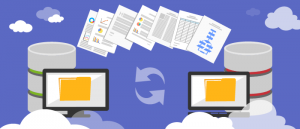
For businesses operating out of multiple geographic regions or branch offices, replicating data across distributed systems keeps information consistent and readily accessible. By syncing data between local storage environments and cloud locations—or between multiple data centers—organizations can eliminate information silos and unify their disaster recovery processes.
Replication in distributed environments ensures important updates made at edge locations are quickly transferred to core systems. This improves data visibility and simplifies reporting, compliance, and business intelligence. Whether done in near real-time or on a scheduled basis, this approach keeps records current and ready for recovery when needed.
This type of setup also keeps RPO and RTO targets within reach by maintaining backup copies closer to where they’re needed. StoneFly’s solutions include features like load balancing, optimized data routing, and file system intelligence to streamline data movement without performance bottlenecks.
When enterprises combine replication across hybrid storage models—including on-site NAS, cloud systems, and offsite backups—they gain a stronger level of protection. Using a unified console to manage replication workflows, monitor system health, and trigger failover accelerates response time and ensures compliance across multiple platforms.
As organizations manage growing volumes of data, diverse workloads, and teams spread across different regions, traditional centralized storage models start to show their limits. Distributed storage offers a practical solution, enabling data to be stored across multiple locations or nodes while presenting a unified, cohesive storage environment. This approach supports scale, strengthens resilience, and ensures data remains close to where it’s needed—key factors for modern enterprise operations.
Legacy storage setups like monolithic NAS and SAN systems often limit performance and access to specific regions. These architectures can be difficult to scale and don’t offer native support for multi-site redundancy or fault tolerance. Distributed storage, on the other hand, decouples data from physical infrastructure, allowing it to move fluidly between on-prem, cloud, and edge environments. This flexibility supports evolving hybrid storage strategies that many enterprises are adopting.
By leveraging object storage, software-defined management, and techniques such as erasure coding or replication, distributed systems deliver enterprise-level data durability and availability. Whether through cloud-connected solutions or distributed file systems integrated with high-performance NAS platforms, businesses can ensure consistent data access across global environments.
A core advantage of distributed storage is its ability to maintain availability even when individual nodes or sites go down. With data replicated across multiple locations, services stay online—even during outages—ensuring business continuity. This makes distributed storage a natural fit for disaster recovery strategies needing region-spanning replication.
The systems also bring data closer to where it’s being accessed, which helps reduce latency. This is particularly important for industries like finance, where speed is critical, or media and entertainment, where large files must be rendered quickly. Research organizations running high-throughput computing workloads also benefit from distributed replication and local caching, which enables fast, simultaneous access to large datasets.
With faster recovery times (RTOs) and tighter data recovery points (RPOs), distributed storage becomes a vital component of a modern backup and business continuity plan. Organizations moving to hybrid or full cloud environments gain the agility to meet compliance, performance, and budgetary goals—all within a single architecture.
While distributed storage delivers flexibility and resilience, managing data at scale across regions introduces new challenges. Enterprises must set clear replication policies, automate failover processes, and navigate data residency and encryption requirements. Modern NAS solutions address these needs, often incorporating intelligent analytics for tiering and self-healing functions that remove the need for manual oversight.
Software-defined control layers help balance workload distribution, improve caching efficiency, and direct data requests intelligently to optimize speed and performance. Cloud-native distributed platforms often pair global namespace features with object storage backends—streamlining storage across environments without complicating administration.
StoneFly’s hybrid architecture takes this further by offering advanced features like policy-driven replication, automated backups, and detailed access controls. From regional data centers to global operations across North America, EMEA, and APAC, organizations can maintain uniform security and performance standards through clearly defined service-level agreements (SLAs).
StoneFly’s cloud-integrated and distributed NAS solutions are built to meet the needs of sectors where uninterrupted access and data durability are non-negotiable. Whether it’s researchers sharing data across continents, media teams editing in real time, or financial institutions processing live transactions, StoneFly offers a unified storage environment that scales with business demands.
For organizations focused on expanding operations, supporting cross-border collaboration, or modernizing their IT infrastructure, distributed storage is more than an upgrade—it’s a cornerstone of continuity, resilience, and long-term agility.
As IT environments grow more complex, backup and recovery systems are transforming to keep pace—especially in hybrid infrastructures that blend on-premises storage with cloud-based resources. These environments demand flexible, scalable protection that can span virtual machines, physical servers, cloud-native applications, and geographically distributed systems without compromising performance or security.
With hybrid cloud and distributed storage platforms extending where and how data is stored, centralized backups are becoming more challenging to manage. As a result, businesses are shifting toward solutions that operate seamlessly across environments. A well-designed backup and recovery plan does more than meet compliance—it becomes an integral part of the disaster recovery strategy.
Here’s a closer look at how different backup methods, cloud-native integration, and replication play key roles in protecting hybrid environments.
A dependable data protection strategy starts with selecting the right types of backups. While traditional methods—full, incremental, and differential—are still relevant, they must be adapted to support the scale and diversity of hybrid infrastructures.
– Full Backups: A complete copy of all data at a given point in time. Though they take longer to create and require more storage, full backups are essential for comprehensive recovery. Organizations typically schedule them less frequently and rely on faster methods in between.
– Incremental Backups: These only save data that’s changed since the last backup, reducing storage needs and minimizing backup windows. This efficiency is well-suited to environments where data is spread across multiple locations and systems.
– Differential Backups: These back up all changes since the last full backup. They require more space than incremental backups but speed up the restore process—making them a good fit for businesses prioritizing fast recovery in distributed setups.
– Snapshot-Based Backups: Snapshots capture the exact state of a system at a specific moment. Often used in environments with enterprise NAS or SAN storage, snapshots are fast, minimally disruptive, and support frequent recovery points. They’re also a key building block for replication and cloud-based disaster recovery.
As applications and data move across public and private clouds, backing up cloud-native workloads is no longer optional—it’s essential. These types of backups are purpose-built for cloud environments and enable companies to retain control over data while gaining the benefits of offsite storage and redundancy.
Key advantages include:
– Infrastructure Flexibility: Cloud-native backup tools aren’t tied to specific hardware, which makes recovery across different platforms or providers much simpler during failover events.
– Centralized Management: Backup policies—including schedule frequency, retention length, and geographic storage preferences—can be controlled from a single dashboard. This is especially useful for distributed workforces or remote office locations.
– Cost and Performance Optimization: By moving inactive backup data to cost-effective object storage in the cloud and keeping active recovery data on fast local storage, IT teams can balance budget constraints with performance expectations.
Integrating cloud-native backup helps apply modern IT principles like scalability and automation to core data protection processes—creating a more agile and reliable architecture for the future.
Relying on backups alone won’t cut it when uptime is critical. Real-time replication and coordinated disaster recovery strategies must work alongside backup systems to ensure availability and resilience.
For instance, StoneFly’s NAS replication technology synchronizes data across primary and secondary storage locations. This can help achieve near-zero RPOs, which are essential for applications that can’t afford data loss. When combined with periodic backups, businesses have both quick recovery options and long-term protection in case of data corruption or system failures.
Bringing these components together into a cohesive, centralized strategy is what separates reactive data protection from a mature, robust system. Automated workflows enable IT teams to prioritize what gets recovered first, set failover sequences, and maintain compliance with internal and external recovery SLAs.
Protecting data in a hybrid setup means more than checking boxes. It requires solutions that fit the environment’s complexity and flexibility—ensuring protection is built into the foundation of operations rather than added on later.
Organizations should assess how backup tools work with their current NAS storage systems, identify where cloud-native backup can fill gaps, and verify that replication and DR processes are ready for real-world demands. Every decision—from how often to back up, to what type of backup to use, to where data is stored—should reflect the company’s larger goals for resilience, security, and continuity.
StoneFly delivers storage, backup, and disaster recovery systems that help enterprises meet strict RTOs and RPOs while maintaining full control over their data. For businesses developing long-term hybrid strategies, integrating all three—backup, replication, and disaster recovery—into a single, unified approach isn’t just a best practice. It’s a necessary step toward ensuring data availability and business continuity at every turn.
Adopting a unified storage architecture isn’t just about simplifying operations—it’s about laying a strategic foundation for scalable performance, continuous uptime, and strong protection against data loss. As IT environments become more complex with cloud adoption, shifting workloads, and stricter compliance demands, legacy systems and isolated infrastructure simply can’t keep pace. For organizations that rely heavily on data availability, investing in a hybrid architecture that delivers performance, flexibility, and resilience is essential.


Join our mailing list to receive the latest news, updates, and promotions from StoneFly.